
4 Signs That Your Dental Crown Needs Replacing
April 4, 2026
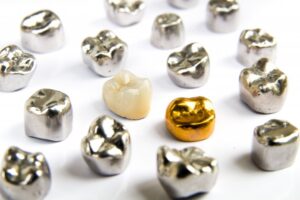
Dental crowns are designed to protect damaged teeth, restore function, and improve appearance. With proper care, crowns can last many years, but they are not permanent. Over time, normal wear and tear, changes in your mouth, or underlying dental problems may mean it’s time for a replacement. Recognizing the warning signs early can help you avoid more serious complications and keep your smile healthy.
Here are 4 common signs that your dental crown may need to be replaced.
1. Pain or Sensitivity Around the Crown
A dental crown should feel comfortable and stable. If you begin noticing pain, tenderness, or sensitivity to hot and cold temperatures, it may indicate that something is wrong beneath the crown.
In some cases, bacteria can sneak under an aging or damaged crown and cause decay in the underlying tooth. This can lead to problems like tooth decay or infection if not treated promptly.
Persistent discomfort while chewing or biting down is another sign that the crown may no longer fit properly.
If pain continues for more than a few days, it’s important to schedule a dental evaluation.
2. Visible Cracks, Chips, or Wear
Although crowns are made from strong materials like porcelain, ceramic, or metal, they can still become damaged over time. Grinding your teeth, chewing hard foods, or accidental trauma can cause cracks or chips.
Even small fractures can weaken the crown and expose the tooth underneath to bacteria and irritation.
You may also notice that the crown looks worn down or rough compared to your surrounding teeth. Cosmetic changes such as discoloration or visible metal edges near the gumline may also signal that the crown is aging.
Replacing a damaged crown early can help protect the underlying tooth from further harm.
3. A Loose or Moving Crown
A crown should stay firmly attached to your tooth. If it feels loose, shifts while chewing, or repeatedly comes off, the cement holding it in place may have weakened.
A loose crown creates openings where food particles and bacteria can collect. This increases the risk of infection and gum irritation.
Trying to ignore or temporarily glue the crown back yourself can worsen the problem. Professional treatment is the safest option.
4. Changes in Your Gums
Your gums can reveal a lot about the condition of your crown. Redness, swelling, recession, or bleeding around the crowned tooth may indicate irritation or bacteria buildup near the restoration.
Poorly fitting crowns can trap plaque along the gumline, increasing the risk of gum disease.
As gums recede over time, the edge of the crown may also become exposed, affecting both appearance and protection.
Healthy gums are essential for supporting both your natural tooth and the crown itself.
Dental crowns are durable restorations, but they don’t last forever. Pain, visible damage, looseness, and gum changes are all signs that your crown may need attention. Routine dental checkups are the best way to monitor the condition of your crown and catch small problems before they become larger ones. If you notice any unusual symptoms, don’t wait to contact your dentist.
About the Practice
Are there parts of your smile that need restoring? Damaged or decayed teeth? At Renu Dental, we have several means of restorative dentistry that can repair your smile and make you feel confident to grin again. Whether it’s dental crowns, bridges, or tooth-colored fillings, there is a solution that’ll fit your problem. Don’t delay, book online with us or call our Crookston office at (218) 281-1301.
No Comments
No comments yet.
RSS feed for comments on this post.
Sorry, the comment form is closed at this time.